


AI Bias in Hiring: How Algorithms Discriminate and How to Protect Your Application (2026)
- Author: Bismayy
- Published On: Nov 06, 2025
- Modified Date: Oct 28, 2026
- Category:Interview Guide
You perfected your resume. Nailed the application. Logged into your video interview feeling ready.
But what you did not know? An algorithm decided your fate before you said a word.
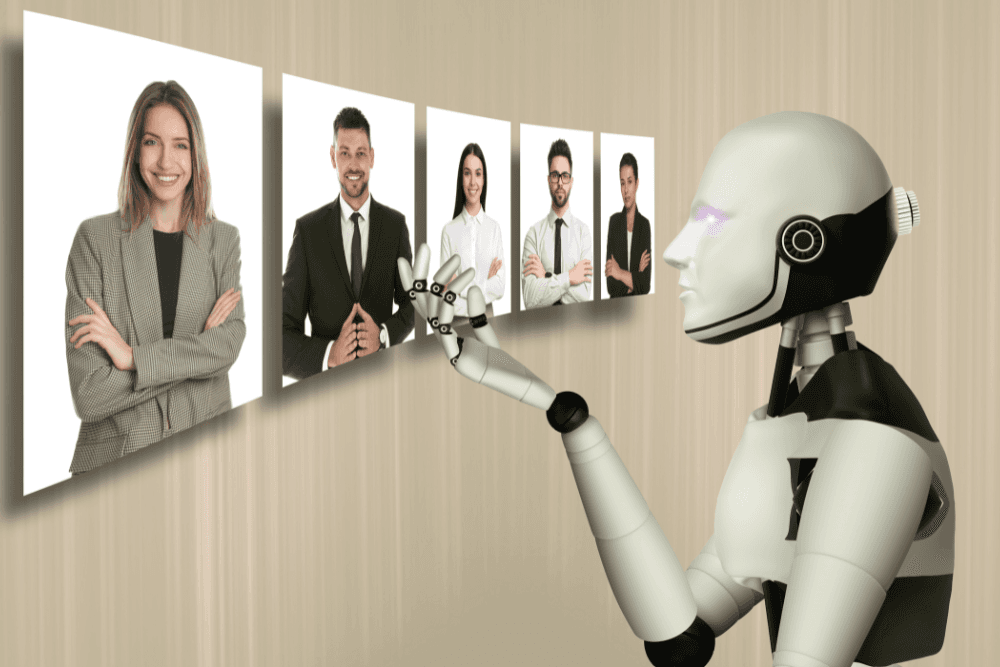
AI bias in hiring is not a rare glitch. Research has found measurable patterns in how some automated tools screen resumes, score video interviews and rank candidates, and people from some groups are more likely to be affected than others.
This guide explains how employers are using AI in hiring, the biased hiring patterns researchers have found, how AI bias can show up in your job application, what the law says, and what you can do about it.
How Are Employers Using AI in Hiring?
How employers are using AI in hiring depends on the company, but the common uses are:
- Sourcing and job ads: targeting and recommending who sees a job
- Resume screening: parsing resumes, scoring fit and ranking candidates
- Chatbots and knock-out questions: asking about work authorisation, location or salary
- One-way video interviews: recording answers that may be transcribed and scored
- Online assessments: games, coding tests and personality tests
- Scheduling and communication: automated interview booking and updates
Many systems still send a shortlist to a person, but an automated tool may influence who gets seen. For a closer look at one stage, see how AI screens salary expectations.
AI Bias in Hiring: How It Happens
AI tools learn from data and rules chosen by people. If past hiring favored certain groups, a system trained on that history can repeat the pattern. Bias can also come from:
- Proxies: neutral-looking signals such as a name, school, postcode or career gap that correlate with gender, race or age
- Underrepresented training data: accents, faces or writing styles the system has seen less often
- Poor design choices: scoring facial expression, tone or other signals that may have little connection to job performance
The Facial Analysis Flaw That Shook the Industry
Some AI interview platforms have claimed they can predict job performance by analyzing micro-expressions, facial muscle movements and eye contact patterns.
Those claims have attracted criticism because facial and emotion analysis can misread cultural differences, disabilities, lighting conditions and ordinary variation in expression. Several vendors have dropped facial-analysis features after scrutiny, but candidates may still encounter tools with limited transparency.
If an automated system is judging your smile or eye contact, ask what the feature measures, how it was validated and whether you can request an accommodation or alternative assessment.
What Should Not Matter (But Can)
AI hiring tools may be presented as neutral, but their output can be influenced by signals unrelated to your ability to do the job.
Appearance and environment
- Bookshelves, art or virtual backgrounds
- Poor lighting or shadows on your face
- Color and contrast from your webcam
- Camera position and image quality
Speech and language
Speech-recognition systems can produce different error rates across accents and demographic groups. That can lead to inaccurate transcripts and unreliable downstream scores. Similar underrepresentation contributes to voice-based AI interview failures for non-native speakers.
AI Bias in Your Job Application: Where It Can Affect You
Bias can enter before the interview. In your job application, watch for:
- Resume parsing errors: fancy layouts, columns, graphics and text boxes can be read incorrectly
- Name and location signals: these can act as proxies for gender, race or background
- Career gaps: some systems may score gaps negatively without context
- Keyword mismatches: if your wording differs from the job description, you may rank lower
- Knock-out questions: salary, availability or location answers may reject you before a person looks
Use a clean, single-column resume with standard headings, keep dates and titles consistent, explain important gaps briefly, and mirror relevant skills from the job description honestly. Where possible, apply through a referral or contact a recruiter directly. You can also check your fit with the CV-JD Matching Tool.
How to Beat the Bots: Practical AI Interview Setup Tips
You cannot remove bias from a vendor's model, but you can reduce avoidable technical problems:
- Lighting: Face a window or use a ring light. Avoid strong backlighting.
- Camera: Put a clear webcam at eye level.
- Background: Use a plain wall or tidy corner.
- Clothing: Prefer solid colors and avoid fine patterns.
- Audio: Use a reliable microphone or headset and test the transcript if the platform provides one. Review our voice-analysis interview preparation guide for more detail.
- Practice: Use InterviewBee's Mock AI Interviewer to test your answers, pacing and structure beforehand.
Red Flags: How to Identify Biased Hiring AI
Before an automated assessment, ask the employer:
- Has this system been independently bias-audited, and can you share the scope or results?
- Does it analyze facial expressions, eye contact, tone or other signals beyond my answers?
- Can I request an accommodation, alternative process or human review?
A vague answer does not prove discrimination, but clear information helps you understand what is being assessed and what options are available.
The Impact of AI on Jobs and Hiring
The impact of AI on jobs is two-sided for job seekers. AI is changing how people are hired, and it is changing which skills employers ask for. The World Economic Forum's Future of Jobs Report 2025 found that 86% of surveyed employers expect AI and information-processing technologies to transform their business by 2030, while 77% plan to upskill workers in response to AI adoption.
The practical takeaway is to show that you can work thoughtfully with relevant AI tools in your resume and interviews, while also understanding how automated systems may be used in the hiring process.
Hiring Discrimination and the Law
Hiring discrimination is illegal, and employers generally remain responsible for employment decisions even when an automated tool influences them. Rules differ by country and state and continue to change, so check the current law where you live. This is general information, not legal advice.
- United States: Federal employment-discrimination laws protect applicants when AI is used to discriminate based on protected characteristics. The EEOC explains how these protections apply to AI and accepts discrimination complaints.
- New York City: Covered automated employment decision tools require a recent independent bias audit, public audit information and notices to candidates or employees. See the NYC Department of Consumer and Worker Protection.
- Illinois: Public Act 103-0804 took effect on January 1, 2026. It prohibits discriminatory AI use in covered employment decisions and establishes notice requirements. See the Illinois General Assembly.
- California: Employment regulations concerning automated-decision systems took effect on October 1, 2025 and clarify that discriminatory use can violate state civil-rights law. See the California Civil Rights Department.
- Colorado: SB 26-189 replaced the earlier framework. Covered requirements begin January 1, 2027 and include notices connected to consequential automated decisions. See the Colorado General Assembly.
- European Union: Recruitment and candidate-evaluation systems are among the AI Act's high-risk use cases. The relevant high-risk rules apply from December 2, 2027 under the current timeline. See the European Commission's AI Act overview.
These questions also shape the debate about whether AI will replace recruiters or remain a tool under human oversight.

The infographic summarizes findings reported in a 2025 Australian Women's Working Association policy brief and a Brookings analysis of a specific resume-screening experiment. These are study-specific findings, not universal rates for every hiring system.
What to Do If You Suspect AI Hiring Discrimination
- Request written feedback and ask which automated tools influenced the decision.
- Save the job description, assessment instructions, rejection message and other communication.
- Request an accommodation or alternative assessment if a disability affected your interaction with the tool.
- Contact the EEOC or an appropriate state or local civil-rights agency if you believe discrimination occurred.
- Consider speaking to a qualified employment lawyer for advice about your specific situation.
Final Word: The Algorithm Might Be Broken, Not You
Rejection stings, but do not immediately assume it proves you were unqualified. Automated systems can make mistakes, encode biased patterns or evaluate signals that do not reflect job performance.
You deserve a fair chance and clear information about how your application is assessed. Preparation cannot fix a biased system, but it can help you present your experience clearly and recognise when to ask questions or request human review.
Frequently Asked Questions
How can I tell if a company is using AI to screen my interview?
Ask the recruiter whether any part of the hiring process uses automated assessment or AI and what the tool evaluates. A one-way interview or strict timer may involve automation, but the format alone does not prove that an AI system scores you. Notice requirements vary by jurisdiction.
What are my legal rights if I am rejected by a biased AI hiring system?
Federal employment-discrimination laws still apply when an employer uses AI, and some state and local laws add audit, notice or review requirements. Save relevant records and contact the EEOC or the appropriate civil-rights agency if you believe discrimination occurred. Colorado's new covered requirements begin January 1, 2027, not February 2026.
How should I prepare specifically for AI video interviews to avoid technical problems?
Use even lighting, a clear camera at eye level, a plain background and a reliable microphone. Test your setup and practise speaking clearly at a natural pace. These steps can reduce technical errors, but they cannot remove bias from the employer's system.
What questions should I ask about an AI interview system?
Ask whether the system has been independently audited, what information it analyzes, whether it uses facial or voice signals, how long data is retained, and whether you can request an accommodation, alternative process or human review.
What is AI bias in hiring?
AI bias in hiring happens when an automated tool produces unfair outcomes for certain groups, often because of biased training data, proxy signals or poor design choices.
How are employers using AI in hiring?
Employers may use AI to source candidates, screen and rank resumes, run chatbots and one-way video interviews, score assessments, and schedule interviews.
Can AI bias affect my job application before I get an interview?
Yes. Resume parsing, keyword matching and knock-out questions can filter applicants early. A clean resume and role-aligned wording can reduce parsing and matching problems, although they cannot eliminate discriminatory system behavior.